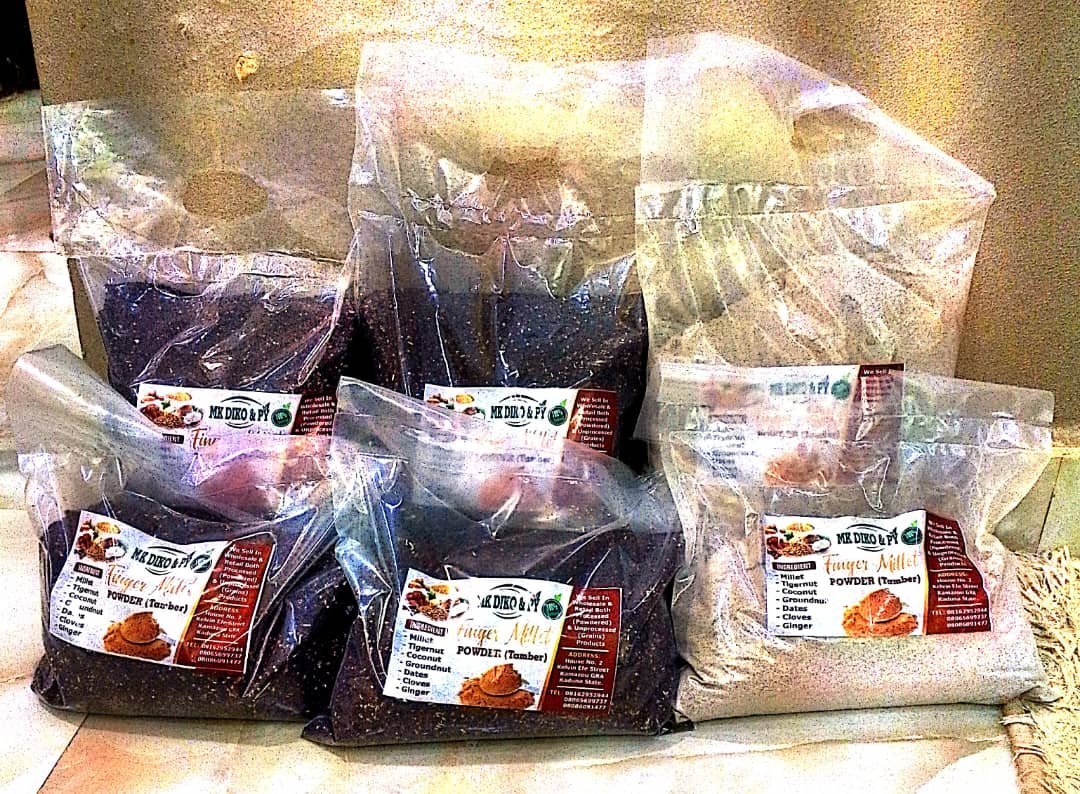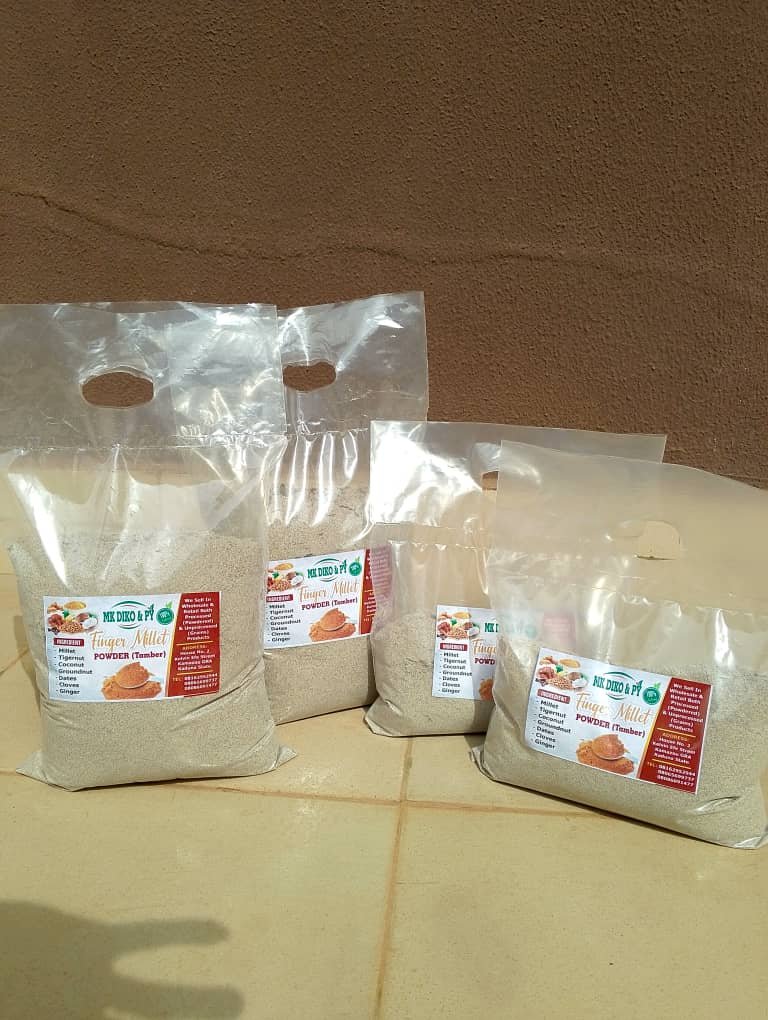
Location: KADUNA
Finger millet (Eleusine coracana), also known as ragi, is a cereal crop widely cultivated in parts of Africa and Asia, particularly in India and Nepal. It is highly valued for its nutritional content, especially in regions where it is a staple food.
Finger millet is an important crop both nutritionally and agriculturally, particularly in regions where it serves as a major source of sustenance.
Nutritional Benefits:
• High in Protein: Finger millet is rich in protein, making it a good source of nutrition, especially for vegetarians.
• Gluten-Free: It is naturally gluten-free, making it suitable for people with celiac disease or gluten intolerance.
• Rich in Fiber: The high fiber content aids in digestion and helps in controlling blood sugar levels, which is beneficial for diabetics.
• Minerals: It is rich in calcium, iron, and other minerals, which are essential for bone health and preventing anemia.
• Antioxidants: Finger millet contains polyphenols and other antioxidants that help in fighting oxidative stress and inflammation.
Uses:
• Food Products: Finger millet is used to make a variety of food products, including porridge, flatbreads, and snacks. In India, it is used to make “ragi mudde” (a type of steamed dumpling) and “ragi roti” (flatbread).
• Beverages: In some cultures, finger millet is used to make alcoholic beverages.
• Infant Food: Due to its high nutritional value, finger millet is often used in preparing baby food.
Health Benefits:
• Diabetes Management: Due to its low glycemic index, it helps in managing blood sugar levels.
• Bone Health: The high calcium content supports strong bones and teeth.
• Weight Management: The high fiber content aids in weight management by promoting a feeling of fullness.