

Location: LAGOS
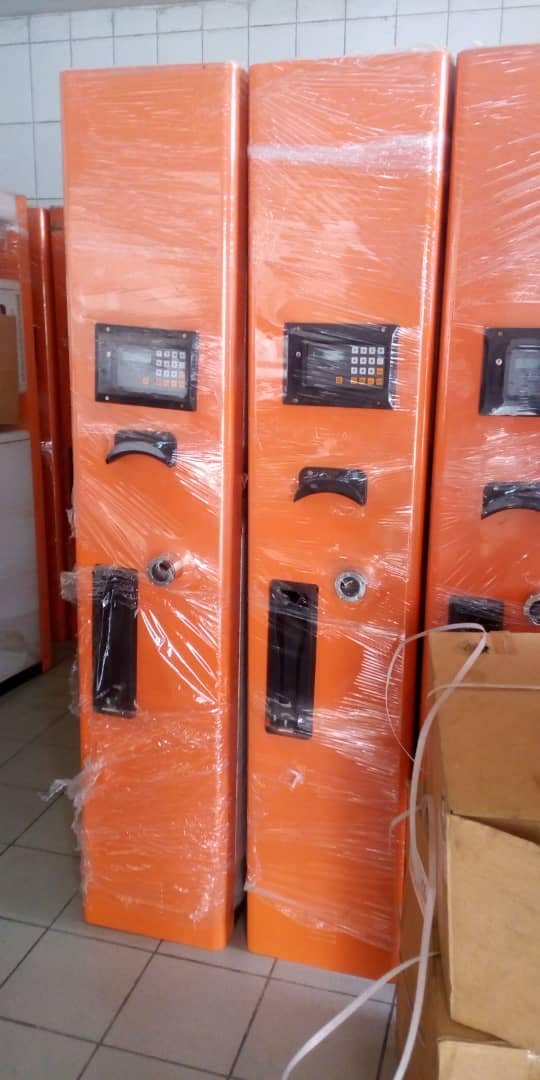
Fuel and LPG pumps are specialized devices designed to transfer liquid fuels and liquefied petroleum gas (LPG) efficiently and safely. These pumps are essential in various applications, including industrial, commercial, and residential settings.
1. Functionality
Fuel pumps are primarily used to move fuel from a storage tank to an engine or other equipment. They operate by creating a pressure differential that allows the fuel to flow through the system. In contrast, LPG pumps are designed to handle the unique properties of liquefied gases, ensuring safe and effective transfer under pressure.
2. Types of Fuels
LPG consists mainly of propane (C3H8) and butane (C4H10), which can be easily liquefied at moderate pressures. This makes LPG a versatile fuel used in heating appliances, cooking equipment, and vehicles. It is also increasingly utilized as an aerosol propellant and refrigerant, replacing substances harmful to the ozone layer
.
3. Design and Performance
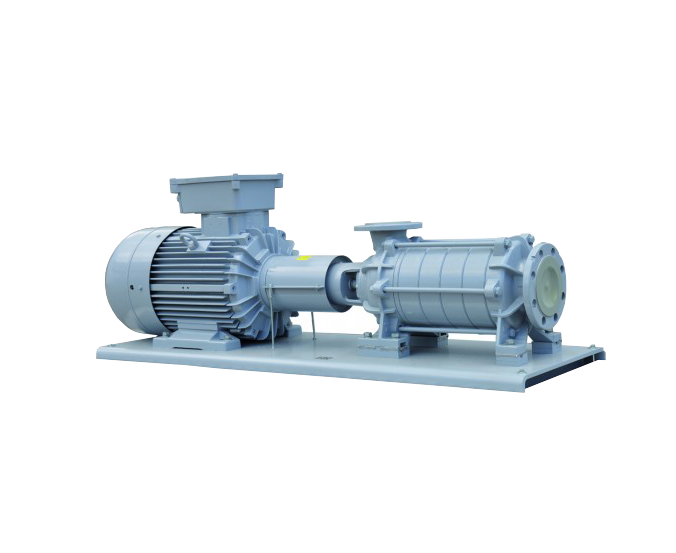
Modern LPG pumps, such as the EDUR-liquefied gas pumps, are compact and high-performance, capable of handling applications with significant pressure differences. This design ensures that they can efficiently supply liquefied gases in various operational conditions
.
4. Safety Features
Safety is a critical consideration in the design of fuel and LPG pumps. Many pumps include features such as emergency shut-off systems and safety valves to prevent leaks and ensure safe operation during the transfer process.
5. Applications
Fuel and LPG pumps are used in a wide range of applications, from industrial processes to residential heating. They are crucial for the safe distribution of LPG, allowing for the transfer of gas from underground tanks to above-ground usage points